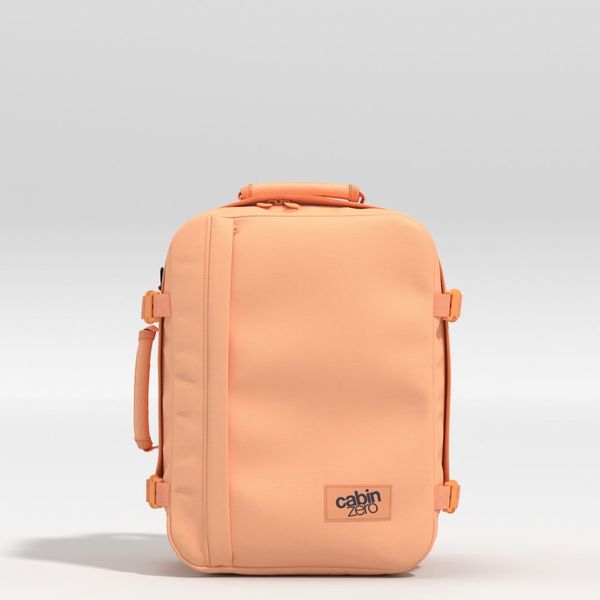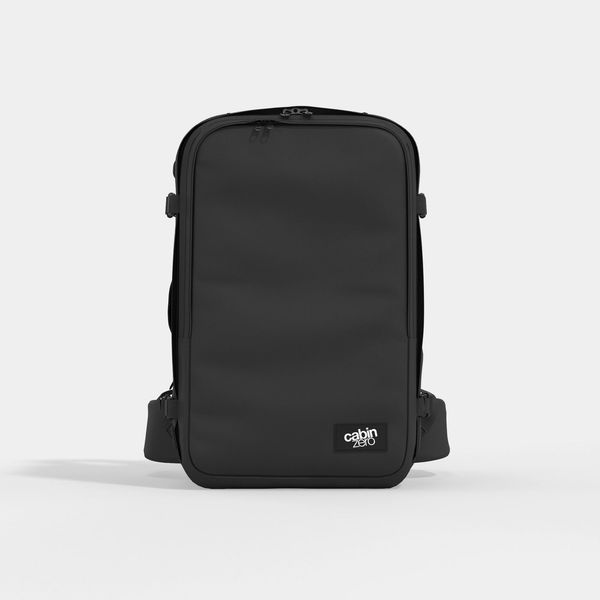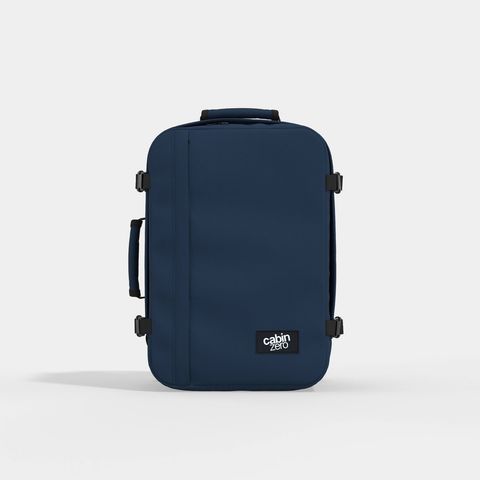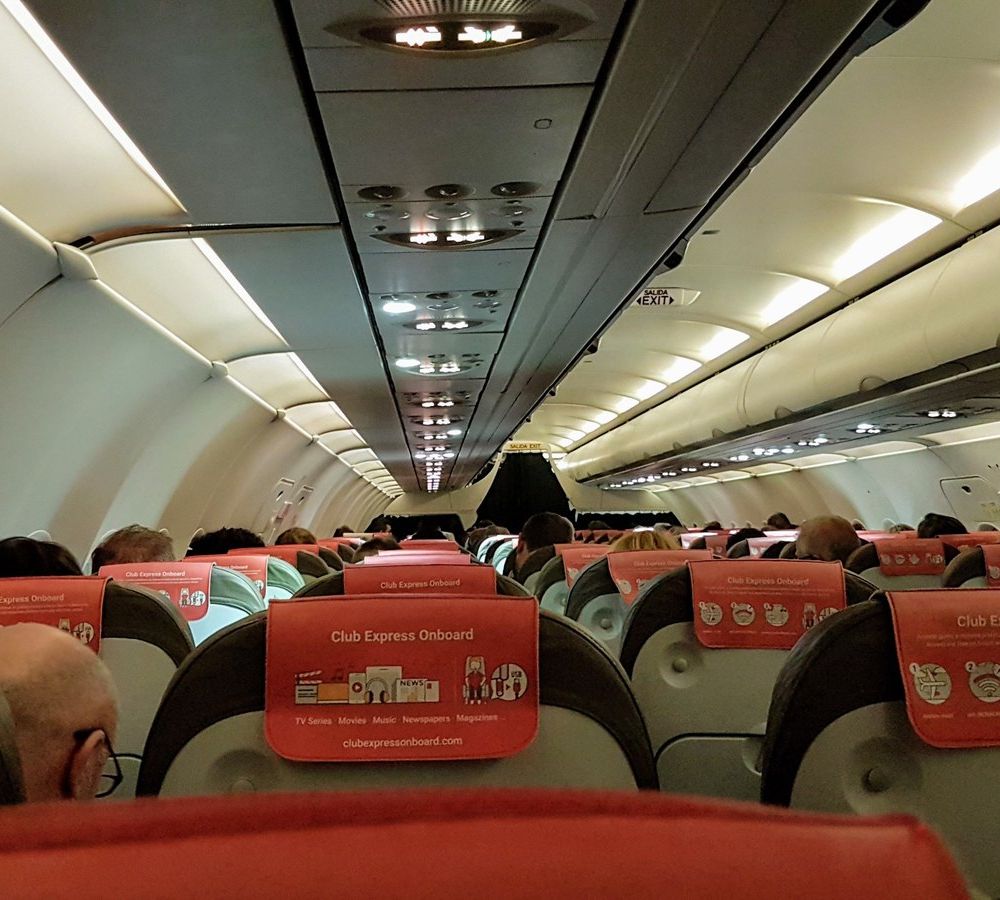
For a long flight, easy access matters as much as a short packing list. Keep the items you use during the flight together so you can settle into your seat without opening your whole bag. Start with what the airline already provides.
Start here
Pack documents and personal essentials first, then add a light layer, a small comfort pouch and offline entertainment. Check your exact baggage allowance, airport security rules and airline battery policy before you leave.
- Packing goal
- A small kit you can reach easily
- Before buying
- Check what your airline provides
- Before flying
- Check every carrier and connection
Check the flight before buying a cabin kit
Read the information for your airline, cabin and flight. Seat power, entertainment, meals, blankets and headphone connections can vary. The kit for a daytime flight with a meal and screen may be smaller than the one for an overnight journey without those extras.
Check the number, size and weight of cabin bags included with your fare. A small pouch inside your allowed bag is different from an extra separate bag. Plan for the most restrictive part of the journey, including connections.
- Confirm the allowance for the operating airline, not just the booking website.
- Check whether a personal item is included separately.
- Look for current meal, charging and entertainment information.
- Check the arrival time and onward transport so the first hour is simple.
Put documents and personal essentials first
Keep the documents you need, your payment method, glasses and personal supplies in hand luggage. Think about what you would need if a checked bag arrived later than you did. Choose a secure place that is easy to check before leaving a seat or security area.
For medication, medical equipment or assistance needs, follow your clinician’s and airline’s instructions and check destination requirements. This guide is a packing plan, not medical advice or a complete list of entry rules.
- Required passport or ID and travel documents.
- Offline boarding and accommodation details.
- Wallet, keys and a reliable way to contact your accommodation.
- Glasses, contact-lens supplies and usual personal essentials.
- A spare top and underwear when a luggage delay would be difficult.
Choose a few comfort items you will use
A light layer, an eye mask and headphones or earplugs are a useful starting point if they already work for you. A travel pillow earns its space only if its size and support suit your normal sitting position. Try it at home before adding it to the kit.
Keep the list personal. Someone who reads comfortably with headphones may not need a tablet and a second pair of headphones. Someone travelling with children or support needs will have a different list. Small and familiar is often easier to manage than several new gadgets.
- Light layer or scarf suited to the cabin and arrival weather.
- Eye mask and headphones or earplugs if you use them.
- A small toiletries pouch with the few items you want during the flight.
- Refillable bottle, filled only where airport rules allow.
- A permitted snack if the airline’s meal plan does not meet your needs.
Prepare charging and entertainment before boarding
Download the book, music, video or game you plan to use, then check that it opens without an internet connection. Charge your devices before departure. Bring the right cable; an available socket does not guarantee that the airline supplies one.
Power banks and spare lithium batteries belong in hand luggage. Protect them against short circuits and remove them if your cabin bag is taken to the hold. Check your carrier’s current rules on capacity, quantity, storage, charging and use on board; restrictions can differ.
Follow the crew’s instructions. If a device is hot, damaged or smoking, tell the crew. Do not pack a device you know is damaged simply because you hope not to use it.
Pack for security and a possible gate check
| Packing area | What goes there | Why |
|---|---|---|
| Small flight pouch | Headphones, mask, cable and a few comfort items | Easy to remove before putting the main bag away |
| Secure document pocket | Required documents, wallet and keys | Quick checks during airport and arrival steps |
| Main clothing area | Spare clothes and items for later in the trip | Less need to unpack at your seat |
Check the rules at your departure airport and every connection for liquids, food and electronic equipment. Keep items that screening staff may ask to see reachable, and follow the instructions at that airport. Do not apply one country’s liquid rule to the whole world.
Use a removable essentials pouch inside your cabin bag. If the larger bag has to go in the hold, you can separate documents, personal essentials, valuables and the battery-powered items that must remain with you. Then follow the airline’s storage instructions for the cabin.
Make the first hour after landing easy
Save the address, check-in instructions and transport information you will need on arrival. Put a weather-appropriate layer near the top, especially when the departure and arrival climates are different.
Before leaving the aircraft, check the seat pocket and the space around your seat. Close the pouch and put it back in the main bag. A short, repeatable check is easier after a long journey than searching through several separate bags.
A FEW GOOD QUESTIONS
Common questions
What should I keep with me on a long flight?
Keep required documents, valuables, personal essentials and the few comfort or entertainment items you will use reachable. Store bags and devices as instructed by the crew.
Can I put a power bank in checked luggage?
IATA’s passenger guidance says power banks and spare lithium batteries must stay in hand luggage. Check your airline’s current capacity, quantity, storage and use rules, including what to do if a cabin bag is gate-checked.
Do I need to buy a travel pillow?
No. It is optional. Try one only if it gives you useful support and fits your space; a smaller kit using items you already like can work well.
Can a small pouch count as an extra personal item?
It depends on the fare and airline. Keep it inside your permitted bag when required, and check your actual number-of-pieces allowance.
Sources & how we prepare this guide
Manufacturer details and official guidance checked October 17, 2026. We have not tested these products. Packing suggestions should be adjusted for your plans, the forecast and local rules. Confirm the current model, specifications and delivery with the merchant.