Two nights away should not mean a bag full of things you never use. Start with your plans, check the weather, and choose clothes that work together. This list is a starting point for a short trip in mild weather.
Start here
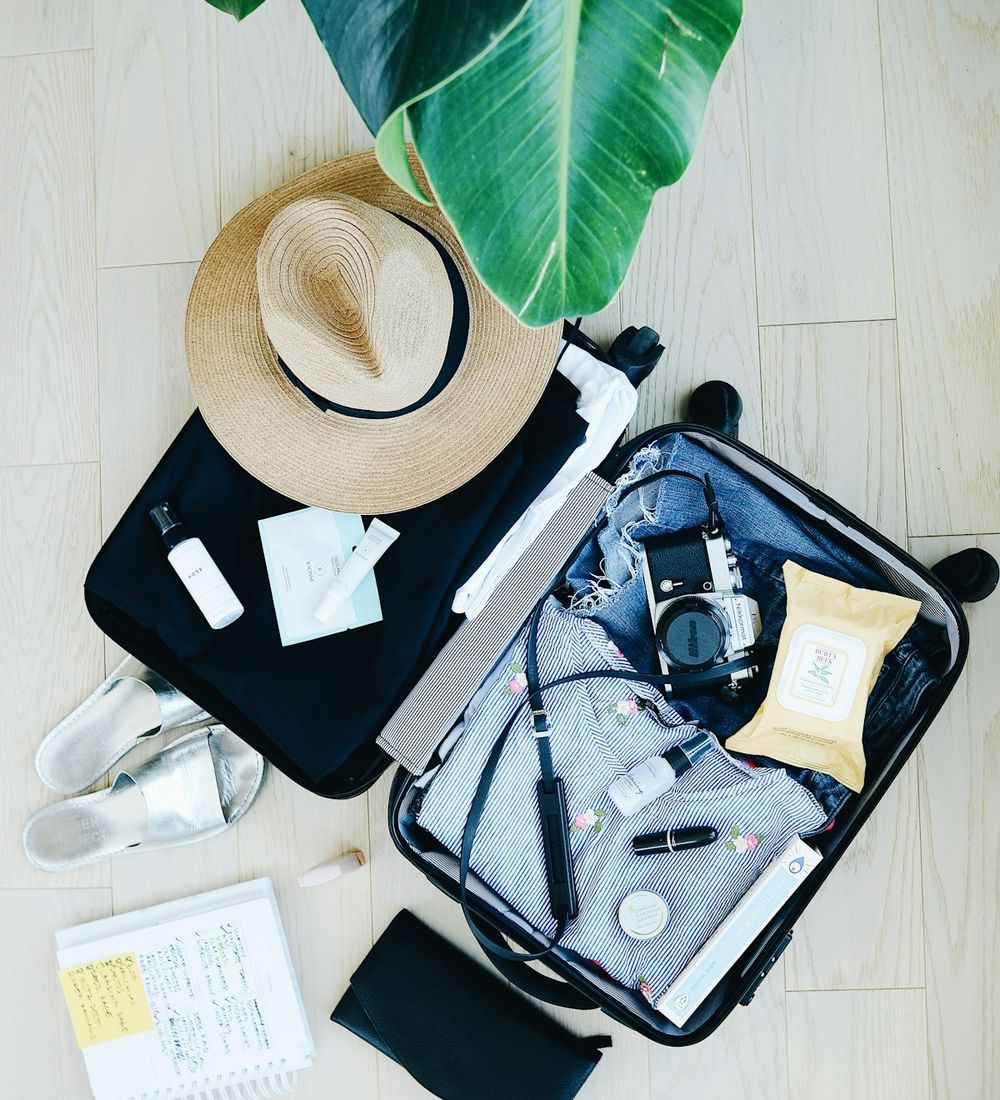
Pack clothes for your actual plans, a small wash pouch, personal essentials and a simple charging kit. Wear the bulky items when comfortable. Keep the bag you already own if everything fits easily.
- Starting point
- Two nights in mild weather
- Packing method
- Plan outfits before choosing a bag
- Before flying
- Measure and weigh the packed bag
Make a list for your actual weekend
| Decision | Write down | Use it to choose |
|---|---|---|
| Your days | Arrival day, full day and departure day | Repeatable outfits and any special clothing |
| Your conditions | Forecast, indoor plans and outdoor time | Layers, outerwear and suitable footwear |
| Your luggage | Carrier, fare and the bag you already own | What fits the actual size and weight allowance |
Write the nights, weather and activities at the top of your list. Then divide the kit into what you wear, what you pack and what you can leave at home. A two-night trip can include three calendar days, so plan outfits around your arrival and departure as well as the full day in between.
Download the plain-text checklist, copy it into your notes or print it. Add the quantities you need and cross off items you will not use. It is a starting worksheet, not an airline-approved packing list.
Plan two days of clothes
Write down what you will do: walking, dinner, swimming or an event. A second pair of shoes is useful when the activity needs it, but it can take much more room than another top.
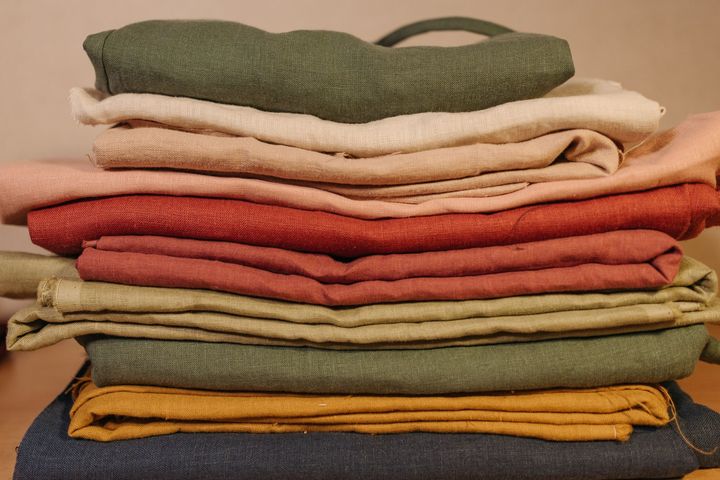
For a simple two-night trip, the list below is a place to start. Adjust it for laundry, weather, your own comfort and any special occasion. Wear your travel outfit on the journey rather than packing a complete extra outfit for it.
- Two tops that work with the same trousers, skirt or shorts.
- One spare bottom if your plans or weather call for it.
- Underwear and socks for each day, plus any spare you need.
- Sleepwear, a light warm layer and weather-appropriate outerwear.
- Comfortable shoes; add swimwear or special clothing only if needed.
Make one small toiletries pouch
Use the products you normally need, in amounts that match the trip. Keep anything that can leak in a suitable sealed pouch. Check whether your accommodation provides towels and toiletries before packing duplicates.
- Toothbrush, toothpaste and your normal washing essentials.
- Personal medication and the supplies you rely on.
- Glasses, contact-lens supplies or other daily essentials.
- Sun protection and a small first-aid pouch suited to your plans.
- A small towel only if you will need one.
Keep documents and chargers easy to reach
Keep your ID or passport, tickets and booking details where you can reach them without emptying the backpack. Save offline copies of practical information and keep valuables secure.
A power bank can be useful on a long travel day. If you fly, check your airline’s current rules for spare batteries and power banks, including capacity, carry-on storage and use on board. Airport liquid rules also vary, so check every departure and connection.
- Phone, charging cable and the charger you actually need.
- A plug adapter that works at your destination, if needed.
- Power bank if the day requires one, subject to your carrier’s rules.
- Wallet, travel documents, keys and offline accommodation details.
- Refillable bottle where allowed, and a light day bag if needed.
Use cubes to sort your clothes
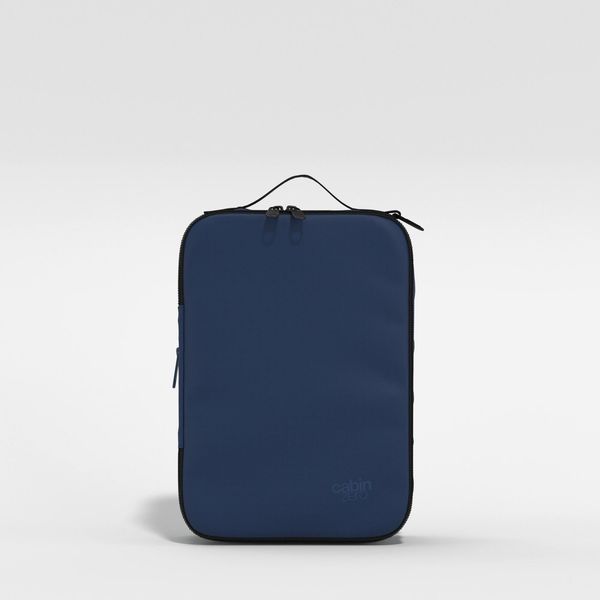
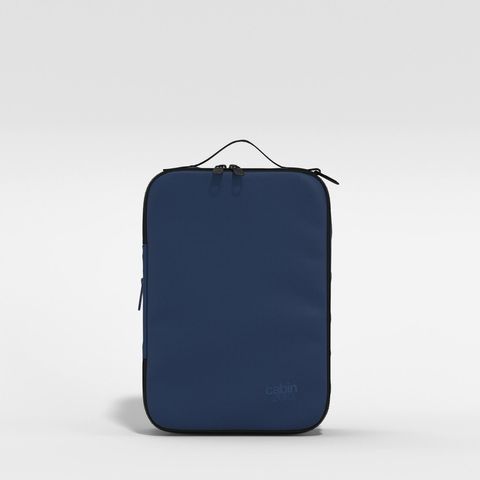
A normal packing cube groups small items together. A compression cube adds a zip that pulls soft clothing into a flatter shape. Neither changes the weight of your clothes or the airline’s bag allowance.
Try one cube before filling the bag with a full set. Leave room for your wash pouch and anything you need on the journey. If the zip strains, take something out.
Choose the backpack after the packing rehearsal
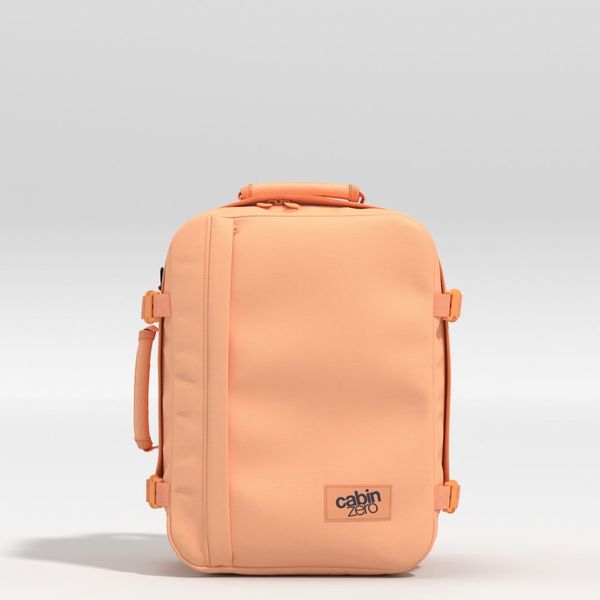
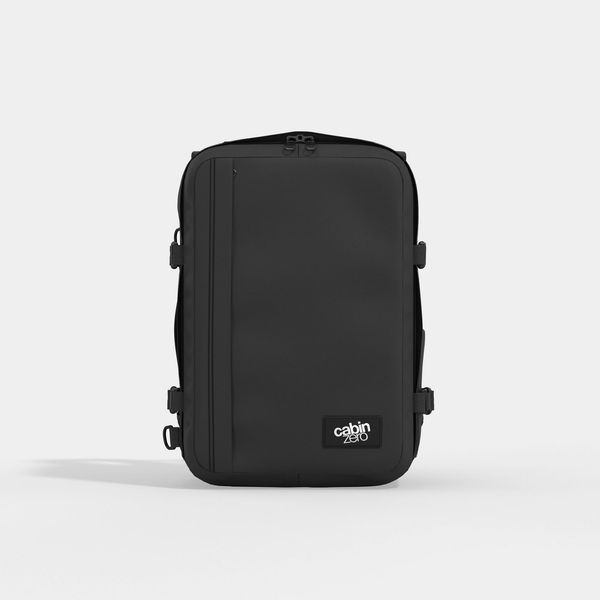
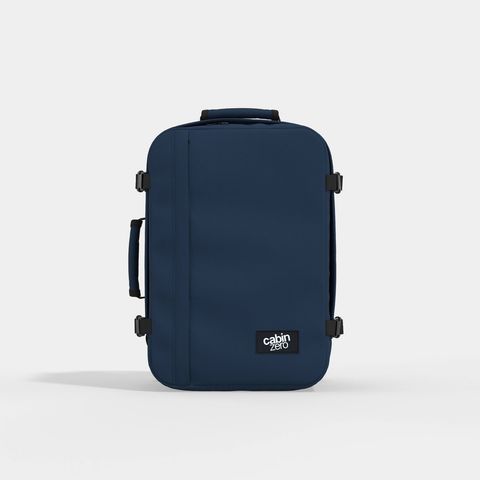
Lay everything out, pack a bag you own, then walk with it for a few minutes. If you need more room, compare the Classic 28L and 36L below. The 44L adds capacity for a bigger list, but there is no fixed number of nights that every size can hold.
Before a flight, measure the full height, width and depth, including filled pockets. Check weight too. Airline, fare and aircraft rules decide what is allowed; a product’s cabin label cannot guarantee acceptance.
A FEW GOOD QUESTIONS
Common questions
Is a 28L backpack enough for a weekend?
It can work for a light list in mild weather, but shoes, bulky clothes and work equipment use space quickly. Try your actual kit before choosing the capacity.
How many outfits should I pack for two nights?
Start with two days of clothes that mix together, then add underwear, socks, sleepwear and layers for the forecast. Your activities and comfort decide the final list.
Can a packing cube reduce baggage fees?
A cube may help you organise clothes or reduce their bulk. It does not change your fare’s allowance, the loaded weight or the need to fit the permitted dimensions.
Sources & how we prepare this guide
Manufacturer details and official guidance checked October 17, 2026. We have not tested these products. Packing suggestions should be adjusted for your plans, the forecast and local rules. Confirm the current model, specifications and delivery with the merchant.