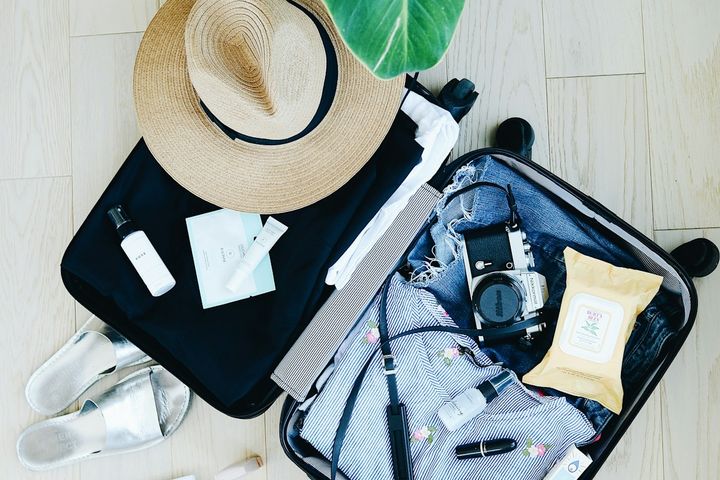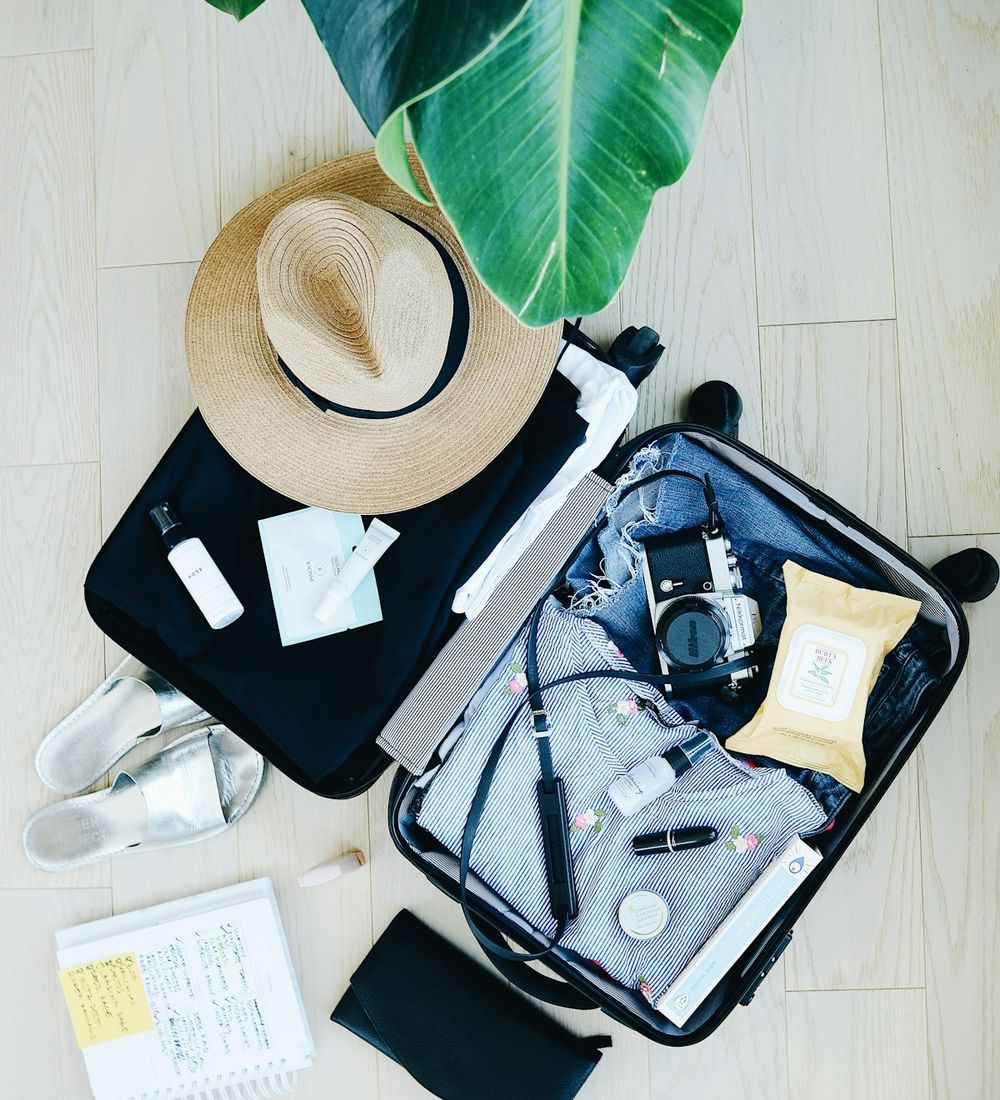
A Tokyo city break, a Fuji sightseeing day and a snowy forest trail ask different things of your bag. Use this list as a packing rehearsal: lay out a complete day’s kit, then adjust it for the forecast, your accommodation, mobility needs and the activities you have booked.
Start here
Pack comfortable walking shoes, adaptable layers, your essential documents and a charging setup checked for Japan. Start with the kit you already own. Add colder-weather clothing for mountain or Nagano days, and choose your luggage around the transfers you will actually make.
- Start with
- Your itinerary
- Wear first
- Walking shoes
- Adjust for
- Season + altitude
What to pack for Japan: your essential checklist
This is a starting checklist, not a requirement to buy more equipment. Pack the personal items you rely on before trying to reduce the number of bags. If you are testing a smaller suitcase or backpack, rehearse the full load, including chargers and shoes.
- Passport, booking confirmations and copies you can access offline.
- Payment cards, a plan for obtaining yen and a secure place for cash.
- Phone, charging cable and a plug/voltage setup checked for your devices.
- Comfortable walking shoes you have already worn.
- Clothes for your activities, repeatable outfits and suitable outer layers.
- Toiletries, personal supplies and any necessary medication, with its travel requirements checked.
- A small day bag, weather protection and room for items you use during the day.
- Offline station exits, tour meeting instructions and accommodation details.
Clothing: build outfits, then add the season
Choose a few combinations you can wear comfortably while walking, sitting on trains and eating out. Count full days away, any laundry access and the activities that genuinely need different clothing. Do not assume a hotel has a washing machine or that a hand-washed layer will dry overnight.
For autumn, a removable layer lets you adjust between a daytime walk and a cooler evening. JNTO’s October guidance describes changing regional conditions; its weather guide shows why one national packing formula is unreliable. Check Tokyo, Kyoto and any mountain destination separately rather than packing from a single city’s forecast.
For summer, plan around your tolerance for heat and humidity and the weather protection you need. For winter, start with the actual coldest day on your route. A Nagano excursion can need a different outer layer and footwear from an urban afternoon. Spring and autumn still deserve a forecast check close to departure.
Choose shoes and luggage for the transfers
Wear the shoes on a substantial walk before the trip. A pair that feels fine for ten minutes may not be the pair you want for a full sightseeing day. Bring an additional pair when an activity or your personal comfort requires it, then check the space it uses.
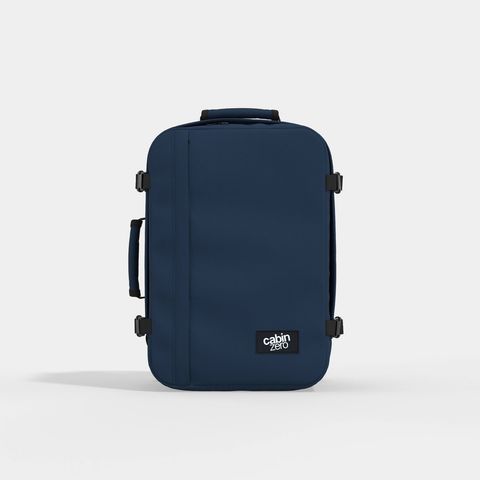
Try carrying or rolling your fully packed luggage through the kinds of spaces you expect: station entrances, stairs and a short walk to the hotel. Luggage convenience matters on the transfer day as much as capacity. Keep a small pouch of essentials accessible so you do not need to open the full bag on a busy platform.
Check the luggage rules for each booked rail service and your operating airlines. Do not assume that one train’s arrangement applies to every Shinkansen route. If you plan to use storage or a hotel luggage service, check its size limits, hours and timing before relying on it.
Charging, cash and an easy first hour
JNTO lists Japan’s electricity supply as 100 volts. Check your charger’s printed input range and plug before packing; a plug adapter changes the connection, not the voltage. For a US device, do not assume its physical plug alone establishes compatibility. Give particular attention to appliances with a heating element.
Carry the cable your phone actually needs and save essential directions offline. If you bring a power bank, check current airline carriage and use rules for the actual device and every operating flight. You do not need to buy a larger bank merely because a packing list mentions one.
JNTO recommends having some cash available and explains overseas-card ATM options. Plan how you will obtain yen, check your card’s fees with its issuer, and keep payment access separate from the one bag you might store. A small amount of practical preparation makes the first station journey easier.
Add a day-trip kit for Fuji or Nagano
| Day | Keep accessible | Check before leaving |
|---|---|---|
| Tokyo / Kyoto walking | Comfortable shoes, a useful layer, phone and directions | Forecast, admissions and meeting point |
| Fuji / Hakone sightseeing | Weather protection and a layer for outdoor stops | Visibility, transport operation and return journey |
| Nagano snow monkey tour | Footwear for the forest trail and clothing for your date | Snow/ice conditions, local pickup and separate train tickets |
For Fuji or Hakone, make the layer easy to retrieve rather than placing it at the bottom of a hotel-sized suitcase. Keep the tour endpoint and journey back to your accommodation available offline. You may return somewhere different from the morning meeting point.
For our Nagano tour, the reviewed operator information describes an unsealed trail of about 1.6 km each way and possible winter snow or ice. Check the current operator advice before choosing footwear. Wildlife behavior is not guaranteed, and an attractive photograph is not a reason to leave suitable clothing behind.
Do a final packing rehearsal
Pack one complete arrival outfit and the essentials you would need if the main bag were delayed. Confirm where documents, personal supplies and a charger will be carried. Measure and weigh the actual packed luggage against your booking’s allowance, including filled exterior pockets.
Remove items that exist only for activities you have not planned. Keep the essentials that support comfort, accessibility and your own routine. The useful result is a bag you can manage through the whole route, with a day kit that works for the longest or coldest excursion.
- Check the latest forecast for every overnight base and day trip.
- Confirm laundry and luggage-storage arrangements.
- Open saved meeting instructions while offline.
- Review operator footwear advice and your airline baggage allowance.
- Leave space for the layer you take off during the day.
A FEW GOOD QUESTIONS
Common questions
What should I pack for Japan in October?
Start with comfortable walking shoes and outfits you can layer for changing daytime and evening conditions. Check the forecast for each city and any mountain excursion; northern or higher places can need a warmer kit than your city base.
Do I need a plug adapter in Japan?
Check both the physical plug and your device’s voltage input. JNTO lists Japan’s supply as 100 volts. A plug adapter does not convert voltage, and physical fit alone does not establish that an appliance is compatible.
Do I need special shoes for the snow monkey tour?
The Nagano listing includes an unsealed forest trail, with snow or ice possible in winter. Follow current operator advice for suitable footwear and seasonal clothing; ordinary city shoes may not suit those conditions.
Sources & how we prepare this guide
Official planning information checked October 8, 2026. This is an editorial suggestion, and Trip & Kit has not attended the linked tours. Confirm current fares, visitor rules and supplier details for your date.