This is an editorial route suggestion for a first visit, not a package or a timed schedule. Choose your flights and hotel bases first, then place the activities you care about into the plan. One meaningful booking in a day is often easier to enjoy than several reservations connected by optimistic travel times.
Start here
For seven sightseeing days, use two bases: Tokyo for four days, including an optional Fuji trip, then Kyoto for three. Treat the city-to-city transfer as part of day five. If your seven days include arrival and departure, shorten the sightseeing plan before adding another city.
- Main bases
- Tokyo + Kyoto
- Pace
- One focus a day
- Optional trip
- Mount Fuji
One week in Japan: your route at a glance
| Day | Base | Main plan |
|---|---|---|
| 1 | Tokyo | Arrive or settle in; a nearby neighborhood and an easy evening |
| 2 | Tokyo | Asakusa and an east-side sightseeing day |
| 3 | Tokyo | Shinjuku or Shibuya; an optional food evening |
| 4 | Tokyo | Fuji day trip, or another Tokyo day if you prefer |
| 5 | Kyoto | Travel to Kyoto, check in and take a short local walk |
| 6 | Kyoto | Higashiyama temples and an optional Gion food evening |
| 7 | Kyoto | Arashiyama or a guided highlights day; leave departure time clear |
The route assumes you can devote most of the week to these two bases. For an international flight home from Tokyo, move the return journey into the plan explicitly. Day seven cannot be both a full Kyoto sightseeing day and a guaranteed comfortable connection to every Tokyo airport departure.
Days 1–3: group Tokyo by neighborhood
Keep your first evening close to the hotel. Use it to find the nearest station entrance, get dinner and check the next morning’s route. If you arrive late or after a long flight, drop the sightseeing stop rather than building the rest of the week around lost sleep.
For day two, choose an east-side focus around Asakusa and add a second neighborhood only if the journey suits you. For day three, choose a west-side focus such as Shinjuku or Shibuya. Grouping the day this way is our planning recommendation: it makes the reason for each train journey clearer and leaves space for an unplanned café or shop.
A guided food evening can fit day three, but compare it with the meals you want to choose yourself. Our Shinjuku tour guide explains the reviewed food-tour listing. Confirm dietary suitability, included food and meeting time, and leave a buffer after afternoon sightseeing.
Day 4: decide whether Fuji earns a full day
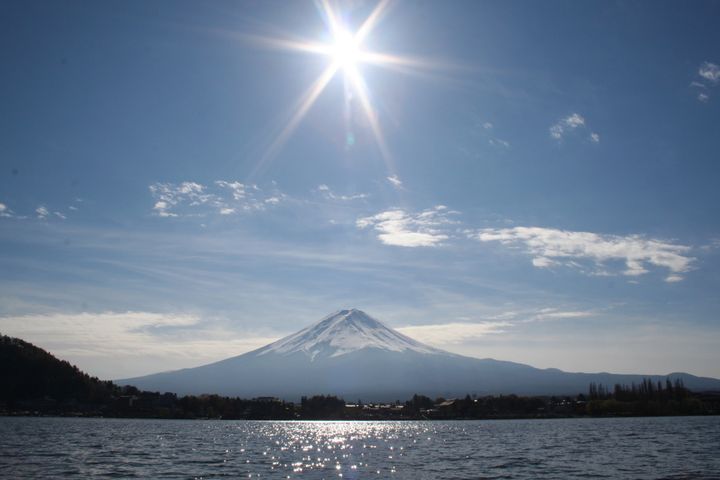
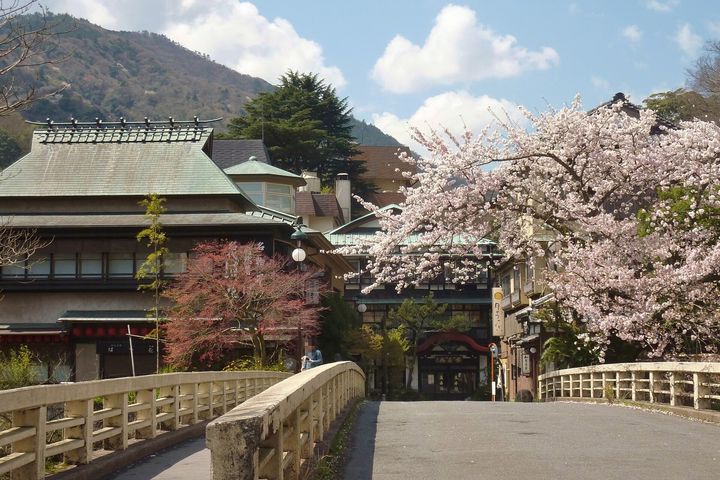
Use day four for Fuji if you want a day beyond the city and can keep the evening free. Choose between a lake-focused Kawaguchiko visit, independent Hakone sightseeing or an organized Fuji–Hakone route. They solve different planning needs; compare the route before the ticket.
If city time matters more, stay in Tokyo and use the day for a museum, neighborhood or quieter activity you would otherwise squeeze in. You do not need to include Fuji merely because it is famous. An eleven-hour guided day also deserves some space before the next morning’s hotel checkout.
Day 5: move to Kyoto, then keep it light
Check out, travel to the departure station, take the intercity train, then reach your Kyoto accommodation. The train ride is only one part of that transfer. Leave time for luggage, lunch and finding the hotel before adding an activity with a fixed starting time.
JNTO’s rail guide explains the difference between local travel and long-distance services. Check the actual service and reservation requirements for your journey. Compare any pass against the specific journeys you will take; this itinerary does not establish that a national rail pass saves money.
After check-in, choose a short walk and dinner near your base. If your hotel can hold bags before your room is ready, confirm that arrangement directly. It is easier to explore without carrying the luggage you need for the rest of the week.
Days 6–7: choose two manageable Kyoto focuses
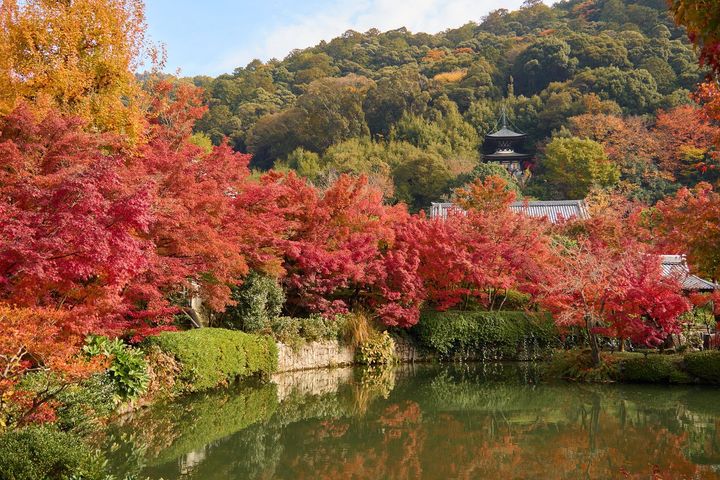
For day six, choose a Higashiyama sightseeing focus and a few places you want to enter, rather than walking past every famous temple. An optional Gion food evening is a separate booking: leave time to reach its meeting point and confirm how the menu works for your party.
For day seven, choose Arashiyama independently or compare a guided highlights day if you want help organizing the route. Our private Kyoto tour is a planning option, not a promise that every attraction on your wishlist is included. Check its actual route, transport arrangements and admissions.
In Gion, follow Kyoto’s official guidance on private property, photography and giving residents space. Do not follow or stop geiko and maiko for photographs. The appeal of a neighborhood is not a reason to ignore the people living and working there.
Where Nagano fits, and what to book first
If snow monkeys are a main reason for your Japan trip, redesign a Tokyo day around Nagano instead of adding it on top of Fuji. Our Nagano tour begins locally and does not include Shinkansen tickets from Tokyo. Compare the meeting point, train journey and overnight alternative before deciding that it fits a day trip.
You could replace day four with Nagano and keep the same two hotel bases, provided the current travel connections work. An overnight in Nagano is another option, but adds a hotel change and takes time from Tokyo or Kyoto. Wildlife sightings and bathing behavior are not guaranteed; choose the trip for the wider temple, food and nature experience.
- Set the arrival and departure cities before reserving activities.
- Choose hotel bases and check intercity train arrangements.
- Book fixed-date experiences around a realistic travel buffer.
- Keep a separate budget for trains, local transport, meals and admissions.
- Prepare a weather alternative and leave some unreserved time.
A FEW GOOD QUESTIONS
Common questions
Is seven days enough for Tokyo and Kyoto?
It is enough for a focused introduction if you limit hotel changes and count transfers as part of the trip. If seven days includes both long-haul arrival and departure, reduce sightseeing and check the final airport journey carefully.
Should I add Osaka to a seven-day Japan itinerary?
Add it only if it is a priority and you deliberately remove something else. This suggested route uses Tokyo and Kyoto as its two bases so that the week leaves time for the places you choose.
Can I add Nagano snow monkeys and Mount Fuji in the same week?
You can plan both, but two full excursion days reduce your time in Tokyo and Kyoto. For this route, choose one as day four or extend the trip; check Nagano’s local meeting point and separate train tickets.
Sources & how we prepare this guide
Official planning information checked October 8, 2026. This is an editorial suggestion, and Trip & Kit has not attended the linked tours. Confirm current fares, visitor rules and supplier details for your date.