A useful packing method gives every item a place and lets you reach the next thing you need. Start with your complete travel kit, not a half-empty bag. This guide is for ordinary travel with clothes and personal items, not carrying a tent and food on a remote trail.
Start here
Lay out the full kit, group it by task, arrange the load so it sits comfortably, keep travel-day essentials reachable and finish with a packed-bag trial. Adjust the arrangement to the design of your own backpack.
- Use this for
- Clothes and ordinary travel essentials
- Keep reachable
- Documents, personal items and the next useful layer
- Final step
- Close, carry, measure and weigh
Step 1: lay out the complete kit
Put the clothes, shoes, toiletries, electronics, documents and personal essentials together before you start. Include the items you usually add at the last moment, such as the phone charger and glasses. These small additions can use the space you thought was spare.
Remove things with no clear use on the itinerary. Keep the items that meet real weather, accessibility and personal needs. Packing light should make the trip easier, rather than leave you without something important.
- Use your itinerary and forecast to check every clothing choice.
- Count the outfit and shoes you will wear while travelling.
- Check what the accommodation or activity provides.
- Set aside a small list of last-minute personal items.
Step 2: group the contents by task
| Group | Examples | Packing aim |
|---|---|---|
| Clothes | Tops, underwear and spare layers | A bundle you can lift out together |
| Wash kit | Toiletries and personal washing items | Contain leaks and keep access simple |
| Technology | Chargers, cables and devices you need | Protect items and avoid loose cables |
| Travel-day kit | Documents, phone and essential personal items | Reach the next item without unpacking clothes |
Make a clothing group, a wash group, a technology group and a travel-day essentials group. Use the pouches you already own when they make things easier to find. More organisers are not always better: several half-empty cases can waste useful space.
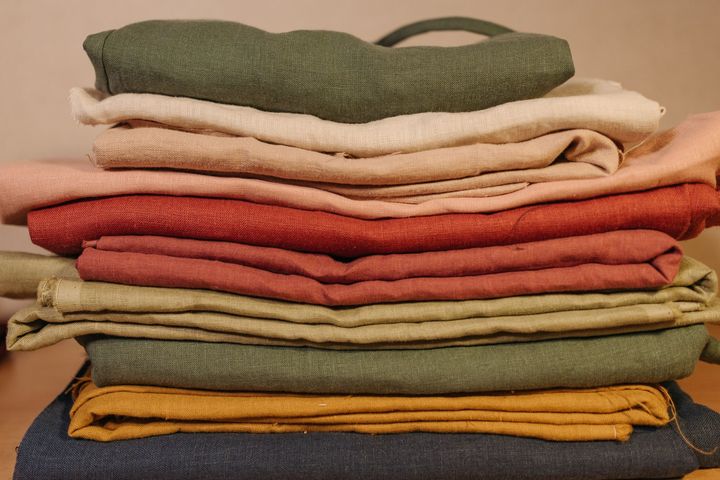
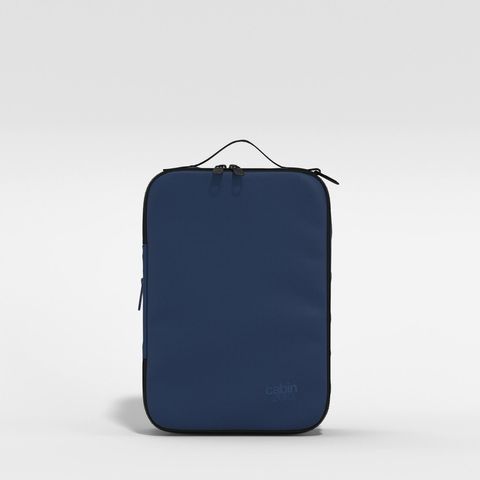
One small packing cube may be enough to keep clothing together. A zip-compression cube may reduce the thickness of soft clothes, but it adds its own weight. Do not use a water-resistant cube as a sealed container for wet items.
Step 3: place the load to suit your backpack
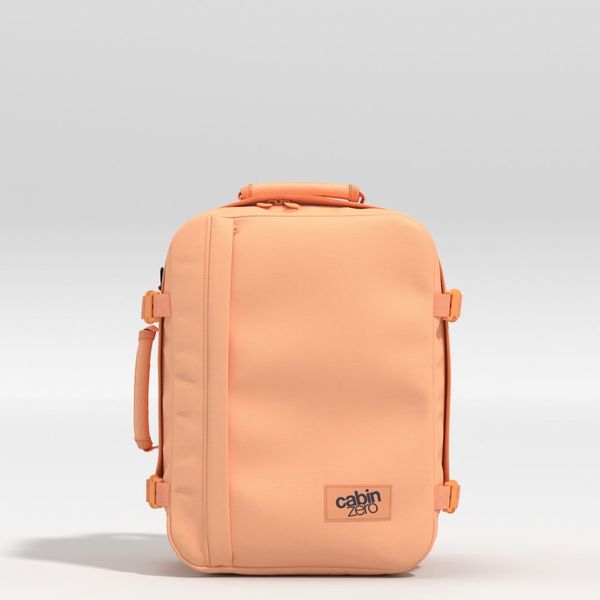
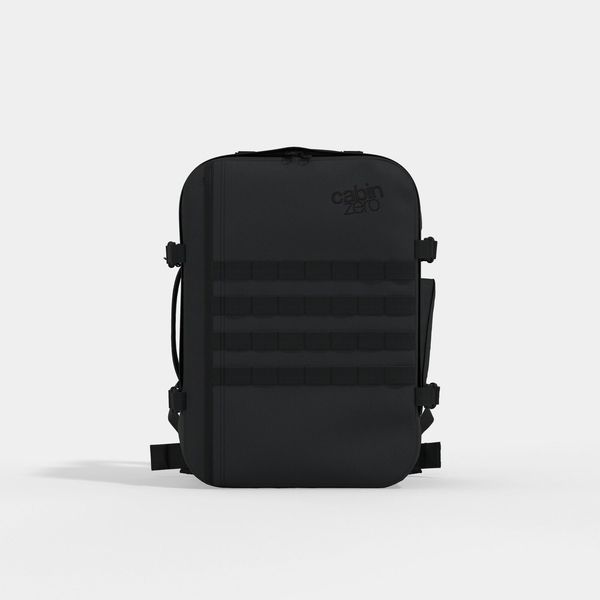
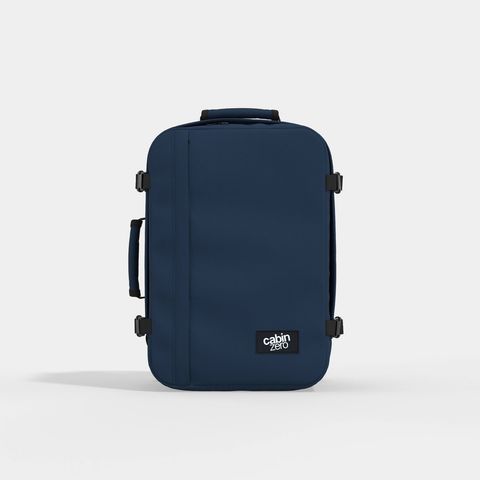
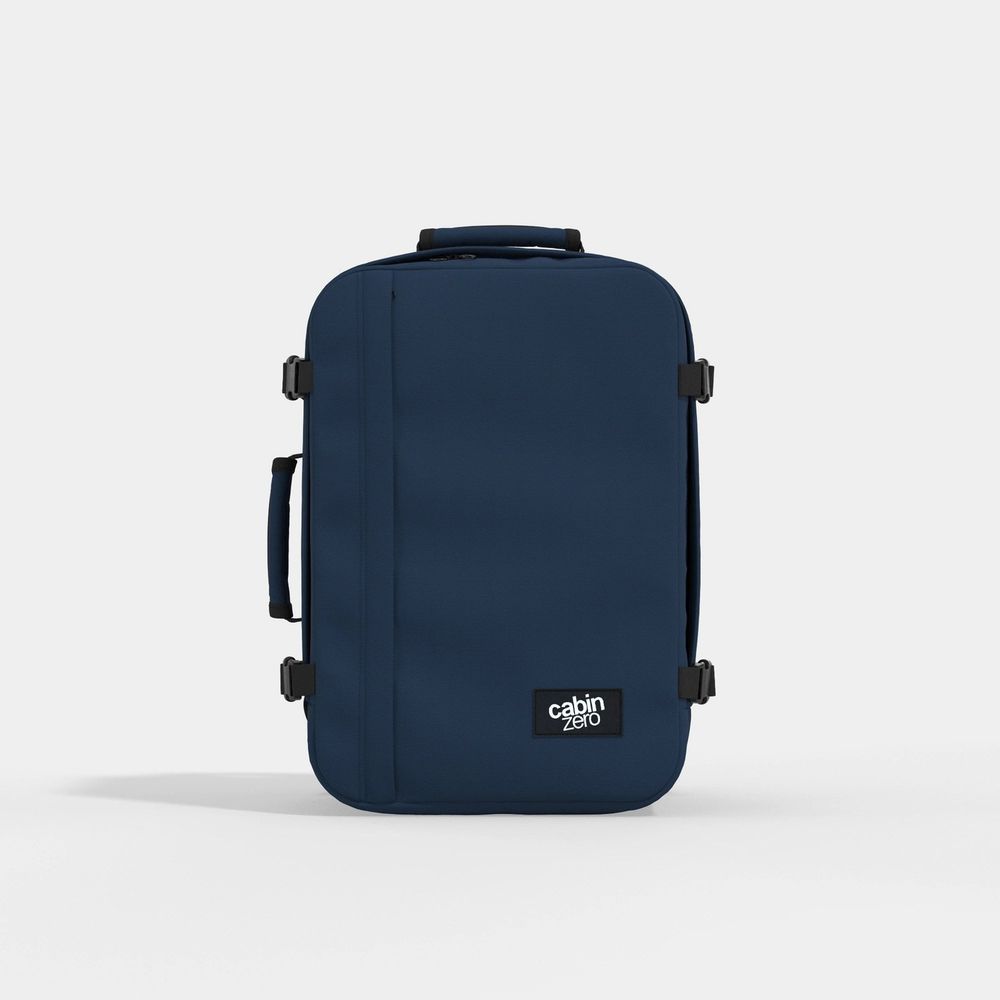
Look at the bag’s opening, sleeve and pockets before choosing the order. With a flat-opening travel pack, you can lay clothing groups beside each other. With a top-opening pack, think carefully about what you need to take out first so it does not end up underneath everything else.
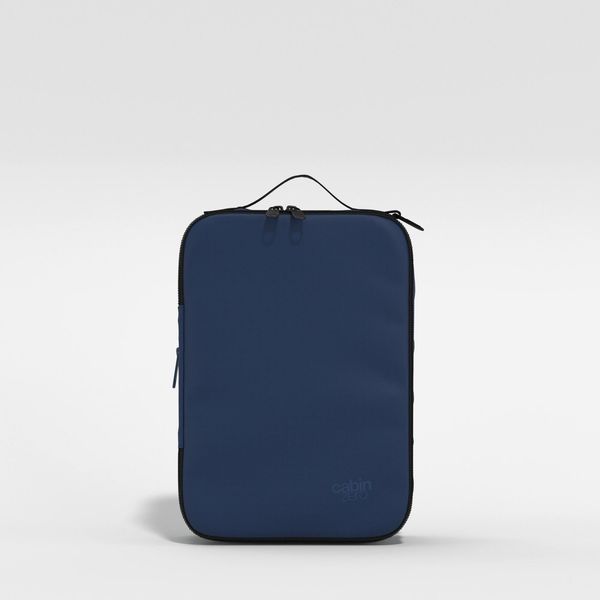
Keep heavier dense items stable and close enough to your back that the load does not pull awkwardly away from you. Protect devices in a suitable sleeve and avoid hard objects pressing into your back. The right arrangement depends on your bag and its instructions, so use a walking trial to check it.
Do not put bottles or leak-prone toiletries against unprotected electronics or documents. Secure lids and use a suitable separate pouch. Keep damp items apart from clean clothes, and let them dry when you can.
Step 4: leave the next useful items reachable
Think through the journey in order. A ticket for the first train, a rain layer for the walk and a cable for the flight may need different access from clothes for tomorrow. Give those items a predictable home.
Keep valuables secure. Easy access should mean that you can find something quickly, not that an open outside pocket exposes it to everyone. Check zips and closures before setting the bag down or moving through a busy place.
- Required travel documents and tickets for the next step.
- Personal essentials you may need during the journey.
- A weather layer without disturbing the clothes bundle.
- A securely closed bottle, away from items it could damage.
- Items you may need to separate at airport security or a gate check.
Step 5: close it, carry it and check the size
Close the bag without forcing the zip or stretching every pocket. Try the straps, walk for a few minutes, sit down and lift the bag. Move an uncomfortable hard item or remove unnecessary weight rather than assuming you will get used to it on the trip.
Measure the largest packed height, width and depth, including filled pockets and bulges. Weigh the full load and compare the dimensions, weight and number of pieces with your transport rules. Empty manufacturer measurements are only a starting point for a soft bag.
If you fly, keep batteries and other restricted items where the airline requires them. A power bank must not stay in a bag that is taken into the hold. Check current carrier and airport instructions for the whole route.
Use the unpacking test to improve the next trip
At your accommodation, remove one clothing group and the wash kit. If everything else falls out or becomes difficult to repack, simplify the arrangement. You should not need a perfect puzzle every time you close the bag.
After the trip, note what you used, what you searched for and what stayed untouched. Keep the arrangement that worked and change the difficult part. Your own packing routine is a better guide than a promise that one particular bag size suits every traveller.
A FEW GOOD QUESTIONS
Common questions
Should I roll or fold clothes in a travel backpack?
Use the method that keeps your particular clothes easy to find and fits the bag without strain. You can combine folding and rolling. Neither method guarantees a smaller or lighter final bag.
Where should heavier items go?
Keep dense items stable and positioned so the load sits comfortably, usually closer to your back than far out in the bag. Protect devices and avoid hard items pressing into your body. Follow your bag’s design and instructions.
Do I need packing cubes for a backpack?
No. Pouches, simple clothing bundles or organisers you already own may work. Add a cube only if it improves access or organisation.
Does this method apply to a multi-day hike?
This guide covers ordinary travel clothes and personal items. A remote or multi-day hike needs a route-specific equipment plan, suitable carrying system and outdoor packing guidance.
Sources & how we prepare this guide
Manufacturer details and official guidance checked October 17, 2026. We have not tested these products. Packing suggestions should be adjusted for your plans, the forecast and local rules. Confirm the current model, specifications and delivery with the merchant.