A day bag should make your outing easier to manage. Start with where you are going, how long you will be out and what you can leave at your accommodation. The best list for a museum day will be different from the one for a long walk away from shops.
Start here
For an ordinary sightseeing day, start with water, your phone, tickets, payment, personal essentials and a layer for the forecast. Add only what your route needs. A remote hike needs its own equipment and safety plan.
- Use this for
- City walks and ordinary sightseeing
- Check first
- Forecast, return transport and venue bag rules
- Bag test
- Can you carry it comfortably all day?
Read the plan before filling the bag
Look at the longest stretch between your accommodation, a café, a shop or another place where you can pause. Then check the forecast for the whole outing, including the return journey. An early train and a late boat home can mean very different conditions.
For a booked tour, read the provider’s instructions. Included transport does not always mean that meals, drinks, entrance tickets or storage are included. Some museums and attractions restrict bag sizes. Use the rules for your actual venue rather than buying a bag because it is sold as a daypack.
- Check your departure point and the time you need to arrive.
- Save the return route and the last practical transport option.
- Confirm what the tour or venue provides.
- Check bag-size limits and whether lockers are available.
Start with the essentials you cannot leave behind
Put the items you reach for most in one small pouch or pocket. Before leaving a café or train, this gives you a short check: phone, wallet, keys and tickets. Keep the pouch secure rather than hanging it loosely from the outside of a bag.
Save useful details offline. A phone signal or public Wi-Fi connection may not be available when you need to show the meeting point or accommodation address. Bring only the documents required for that outing, and keep them protected.
- Phone with offline route, tickets and booking details.
- Payment method and any small amount of local cash you need.
- Accommodation key and required ID or documents.
- Personal medication and everyday supplies you rely on.
- Glasses, contact-lens supplies or other personal essentials.
Add water, food and weather protection
Decide where you can refill or buy drinking water and food. Pack enough for the route you have chosen, with extra thought for closures and long gaps between stops. A guided day outside a city may have fewer options than a neighbourhood walk.
Choose the layer for the forecast rather than packing several just in case. Keep it where you can reach it quickly. Sun protection, rain protection and footwear should suit the location and your own needs.
- Water in a bottle that closes securely.
- A snack or meal when your route needs it.
- One suitable warm layer and rain protection when needed.
- Hat, sunglasses and appropriate sun protection.
- Comfortable footwear; a small blister or first-aid pouch if useful.
Keep technology simple
Start with the phone, camera or other device you actually plan to use. A spare lens, tablet and laptop can turn a small sightseeing bag into a heavy work bag. Choose the equipment for the day’s purpose.
A charged power bank and the correct cable may help when the phone is your map and ticket. Keep electronics away from a bottle that could leak. If your day includes a flight, check the airline’s battery rules as part of the whole journey.
Match the bag to the whole load
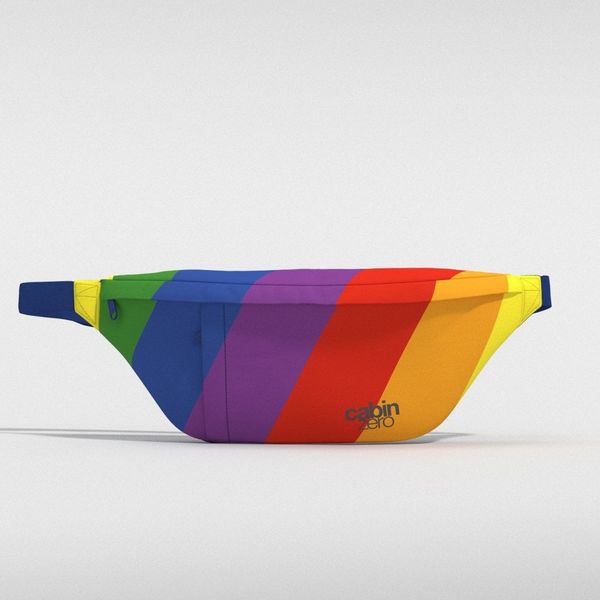
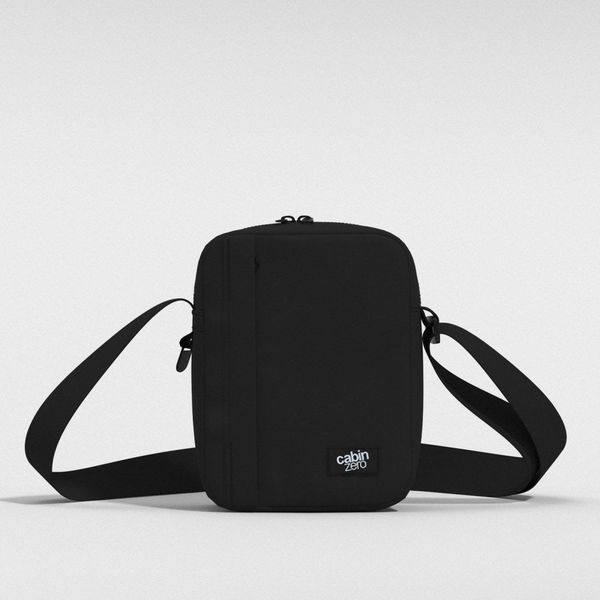
A small waist or crossbody bag can hold a few valuables, but it may not have room for your water, lunch and warm layer. A 2L bag should not be treated as a complete day-hiking kit. Lay everything out before choosing its size.
Try the packed bag with the jacket you expect to wear. Walk, sit down and reach for the phone and bottle. If your shoulders already feel uncomfortable at home, remove extras or choose a more suitable way to carry them.
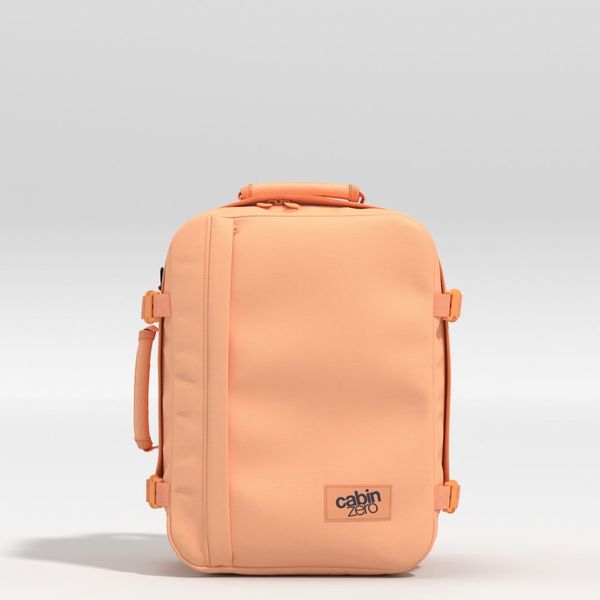
The CabinZero options below are examples for personal items or a larger clothes-and-essentials load. They are not a recommendation to carry a large backpack on every short outing. Use a comfortable bag you already own when it fits the day.
Do a two-minute check before leaving
Open the forecast once more and confirm any operator update. Check that you can find the booking details without searching through a full inbox. Put the first item you will need, such as a ticket or rain layer, close to the opening.
Leave a little space so the bag is easy to close after lunch or a small purchase. When you return, note one item you carried but never used and one item you missed. That makes your next day list more useful than a long universal checklist.
A FEW GOOD QUESTIONS
Common questions
What should I put in a bag for a day trip?
Start with water, phone, tickets, payment, required documents, personal essentials and clothing for the forecast. Add food, charging equipment or other items when your route needs them.
Is a 2L bag enough for a day trip?
It may hold a few valuables, but it may not fit water, food and weather layers. Check your full list before choosing a small bag. Remote walks need a separate equipment plan.
Should I take my passport sightseeing?
Check the identification rules for your destination, transport, venue and booked activity. Carry the required document securely; this checklist cannot decide those rules for every country.
Sources & how we prepare this guide
Manufacturer details and official guidance checked October 17, 2026. We have not tested these products. Packing suggestions should be adjusted for your plans, the forecast and local rules. Confirm the current model, specifications and delivery with the merchant.