A beach day needs a slightly different bag from a city walk. Keep the items you want dry separate from swimwear, towels and sand. Check the beach and the journey before you add a large umbrella or a second bag.
Start here
Start with swimwear, a towel, dry clothes, sun protection, drinking water and a separate place for wet items. Add the food and shade your chosen beach needs. Check local signs and lifeguard advice before going near the water.
- Use this for
- A day at an accessible beach
- Keep separate
- Dry valuables and wet clothing
- Check locally
- Conditions, lifeguards, signs and beach rules
Check what the beach actually has
Find out whether the beach has toilets, drinking water, food, shade and a place to change. Check how far you must walk from the train, bus stop or parking area. A short walk from a hotel needs a different load from a full day away from facilities.
Look at weather, tide and local safety information for the beach you have chosen. Conditions and beach rules change by place and day. Follow local signs and lifeguards rather than assuming that flag colours or swimming areas mean the same thing worldwide.
- Check the return journey, including the last suitable bus or train.
- Choose a lifeguarded beach where possible and follow local advice.
- Check any rules for shade equipment, food, dogs and waste.
- Confirm whether you need cash for a locker, toilet or transport.
Pack clothes for the water and the trip home
Plan a dry outfit for the return journey, even when the beach is close. Use clothing that is comfortable for the transport you will take and the places you may visit afterwards. A light layer can be useful when the return is later than the swim.
Choose a towel that works for you, and check whether your accommodation lends one before packing another. If you take a separate sitting cloth or mat, remember that it adds bulk on the journey home too.
- Swimwear and a towel.
- Dry underwear and clothes for the return journey.
- A suitable cover-up and footwear for the route.
- A light layer or rain protection when the forecast calls for it.
- A separate bag for damp swimwear and sandy items.
Plan shade, sun protection and drinking water
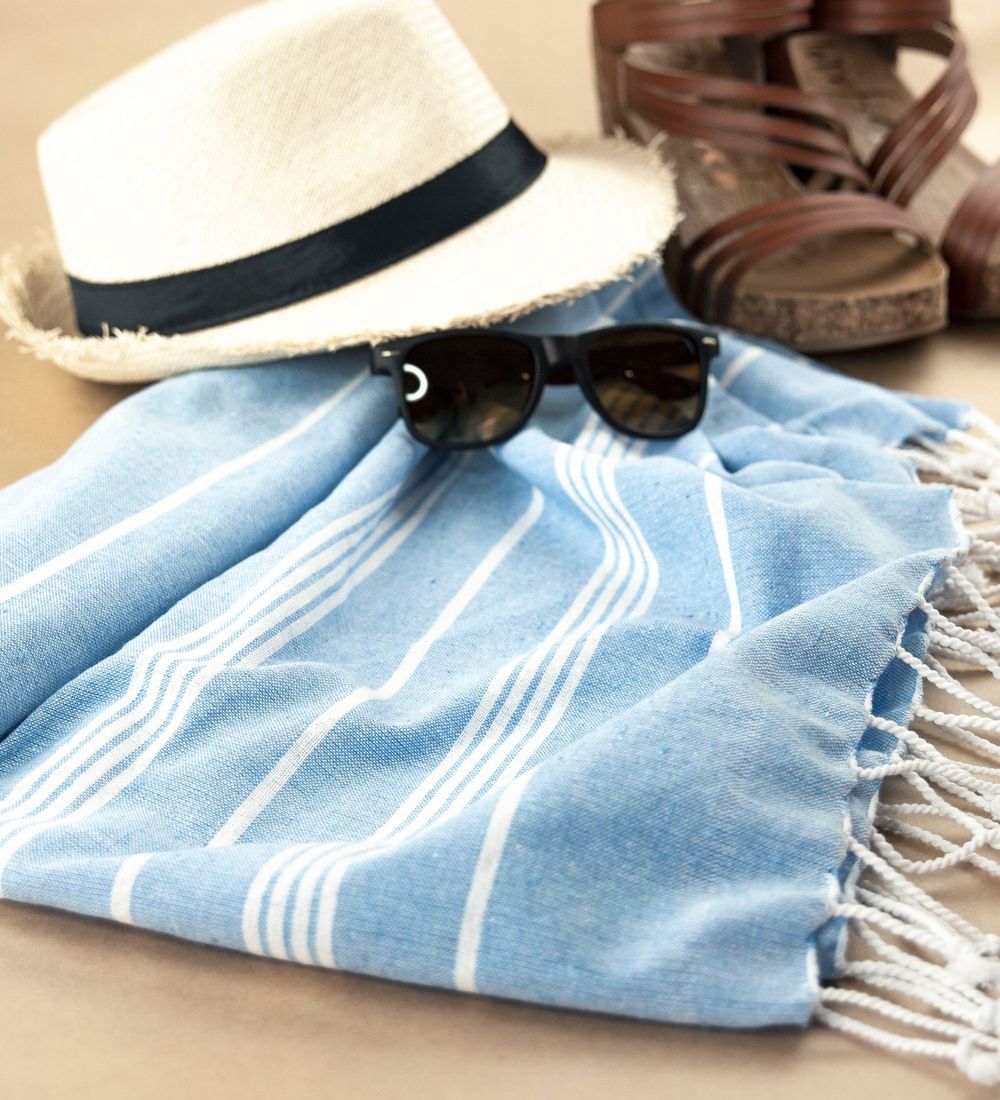
Bring a hat, sunglasses, suitable clothing and the sun protection you use. Follow the product directions and local guidance. Plan shade breaks and a reliable supply of drinking water rather than depending on a closed kiosk or a patch of shade you have not checked.
An umbrella or shelter may be useful if the beach allows it and you can set it up safely. If you cannot carry or secure one comfortably, choose a location with suitable shade or a different plan. This checklist is not a substitute for local weather and water-safety advice.
- Enough drinking water for your plan, with refill options checked.
- Food or snacks if there are no suitable places to buy them.
- Hat, sunglasses, sun protection and suitable cover-up clothing.
- Allowed shade equipment when needed and practical to carry.
- Rubbish bag so you can take everything away.
Give wet items and valuables different homes
Put your phone, documents, keys and money together in a protected, secure part of the bag. Do not leave valuables unattended when entering the water. If you are travelling with others, agree how you will look after your belongings before anyone swims.
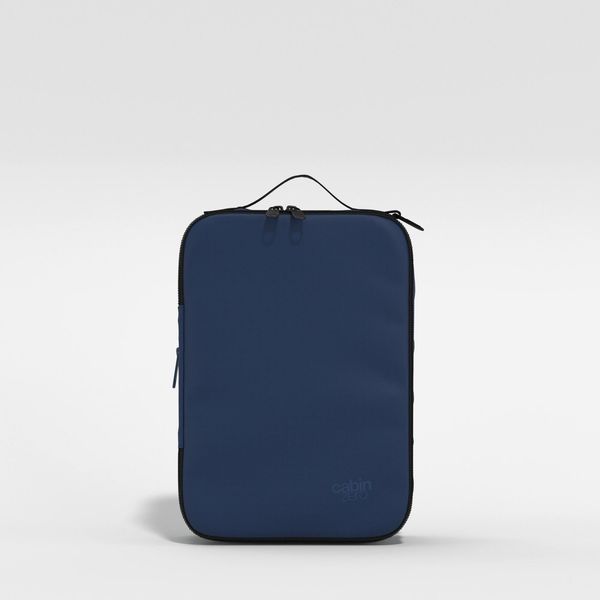
A normal packing cube can group dry clothing during the journey. It is not automatically waterproof, and a compression cube should not be used as a wet-swimwear container unless the maker explicitly rates it for that purpose. A separate suitable wet bag keeps the jobs clear.
Pack only the extras your day needs
A book, toy or camera can make sense when it is part of your actual plan. A collection of loose items is harder to manage on sand and public transport. Give children’s and personal-care items their own place so you can find them quickly.
Avoid taking a laptop or spare devices unless you need them. Pack the phone away when you are not using it, and protect charging equipment from water and sand. Waterproof claims should come from the specific product maker, not from the general word travel on a label.
Reset the bag before you leave
Keep the dry return outfit separate until you change. Put wet swimwear in its own suitable bag and pack the towel so it does not dampen your valuables or clean clothes. Shake off sand where appropriate and leave the area clean.
Check the ground, changing area and any locker for keys and small items. At your accommodation, take wet items out promptly and let them dry according to their care instructions. Do not leave a damp bundle sealed in the main bag for the rest of the trip.
A FEW GOOD QUESTIONS
Common questions
What are the main things to pack for the beach?
Swimwear, towel, dry clothes, sun protection, drinking water, required personal essentials and a separate wet-items bag are a useful start. Adjust for the beach’s facilities, conditions and local rules.
Can I put wet swimwear in a packing cube?
Only use a container intended for wet items. The CabinZero cube on this site is water-resistant, not a sealed waterproof bag. Keep dry clothes and wet swimwear separate.
Should I take a backpack to the beach?
Use a bag that holds your list comfortably and lets you separate dry and wet items. Check the carry from transport to the beach, and protect valuables from sand and water.
Are beach safety flags the same in every country?
Do not assume that they are. Read the local signs, choose a lifeguarded beach where possible and follow the lifeguard’s instructions.
Sources & how we prepare this guide
Manufacturer details and official guidance checked October 17, 2026. We have not tested these products. Packing suggestions should be adjusted for your plans, the forecast and local rules. Confirm the current model, specifications and delivery with the merchant.