Winter clothes can fill a bag before you add anything else. Start with the weather and your plans, then choose clothes you can wear together. This list is for a short city break with indoor stops, rather than skiing, camping or remote winter walks.
Start here
Pack layers you can add and remove, shoes suited to wet streets, small warm accessories and your usual travel essentials. For a two- or three-night city break, repeat your outer layers and use a small clothes list. Measure and weigh the packed bag against your exact airline allowance. Compression cubes organise clothing; they do not increase that allowance.
- Trip type
- A short winter city break
- First check
- Forecast and outdoor time
- Before flying
- Packed size and total weight
Check the forecast and the kind of day you will have
A museum afternoon needs a different plan from three hours standing at a night festival. Check the expected temperature, rain, wind and walking conditions for your actual destination. Decide which parts of each day will be outside.
Plan a warm indoor break on long evenings. This list covers city travel with access to shelter. If you are adding a snow activity, mountain trip or winter camping, get the equipment advice for that activity separately.
Build a short clothes list around layers
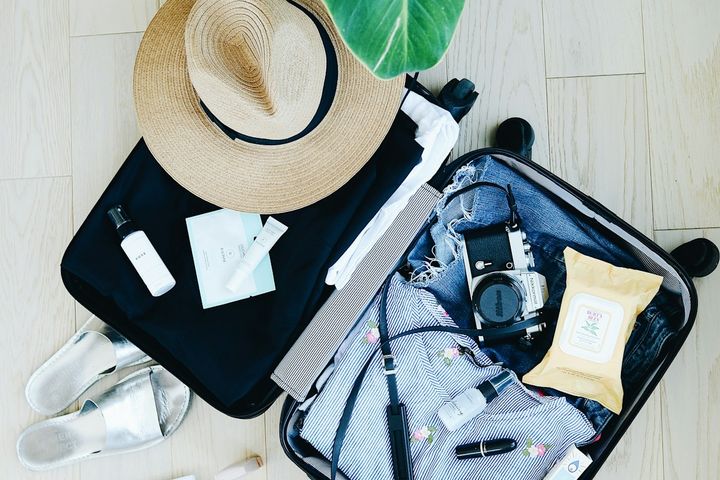
Use the list below as a starting point for two or three nights, then adjust it for your own needs and access to laundry. Lay out complete outfits. If two bulky items do the same job, choose the one that works with more of your clothes.
Wear your main coat and walking shoes on the journey when practical. Keep anything you may need during travel easy to reach. A spare layer buried under every other item will be less useful when the temperature drops.
- A base top for each day, or fewer if you can wash and dry them.
- One or two warm middle layers that work with the same trousers.
- One main outer layer suited to the forecast, plus rain protection if needed.
- Trousers, underwear, socks and sleepwear for the length of the stay.
- A hat, gloves and scarf if your outdoor plans call for them.
- One comfortable pair of walking shoes; add another pair only for a clear need.
Keep small essentials together
Use one easy-to-find pouch for small personal items. Keep travel documents, medication and anything needed during the journey accessible. Check current airport and airline rules for toiletries, batteries and other restricted items.
For the day outside, carry a smaller bag with only what you need. Your main backpack can stay at your accommodation when secure storage is available. A small essentials bag holds less and makes you choose what really needs to come along.
- Booking details, travel documents and a saved return route.
- Phone, charging cable and any permitted power source you need.
- Toiletries, personal supplies and regular medication.
- Water and a small snack where allowed.
- A suitable separate bag for damp items.
Use a packing cube for order, then check the result
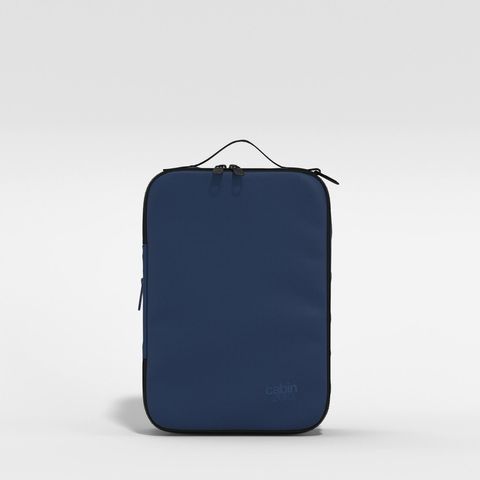
A cube can group tops, underwear and socks so you can find them easily. A compression cube may reduce the bulk of soft clothes after you close it. It does not reduce their weight or make a soft backpack stay within airline dimensions.
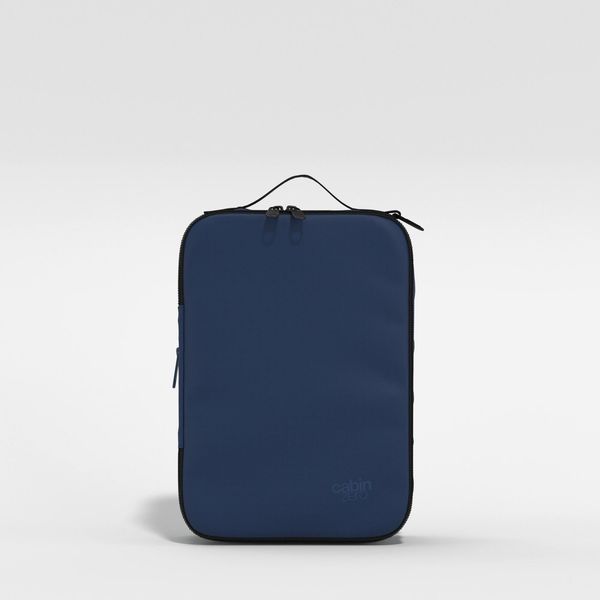
Do not force a bag closed around a tightly packed cube. Leave room to put things away again during the trip. Keep wet clothing apart from the clean kit; the CabinZero compression cube is not a waterproof dry bag.
Choose a bag by your packed items
| Item | Use it for | Check before choosing |
|---|---|---|
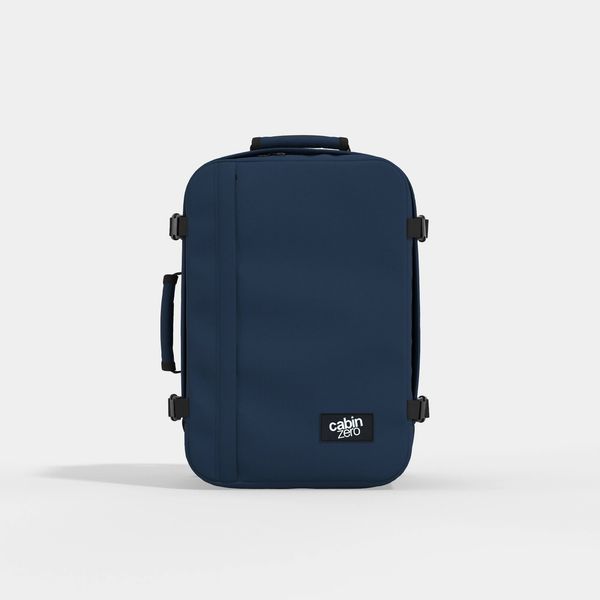
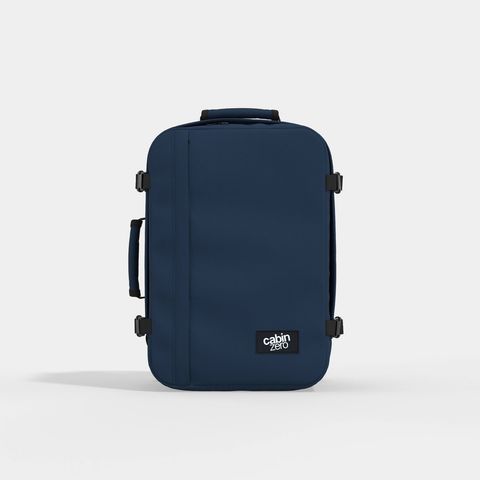
| Classic 36L backpack | A main bag for clothes and personal items | Packed dimensions and airline allowance |
| Medium compression cube | Grouping soft clothing | Your bag space and the added weight |
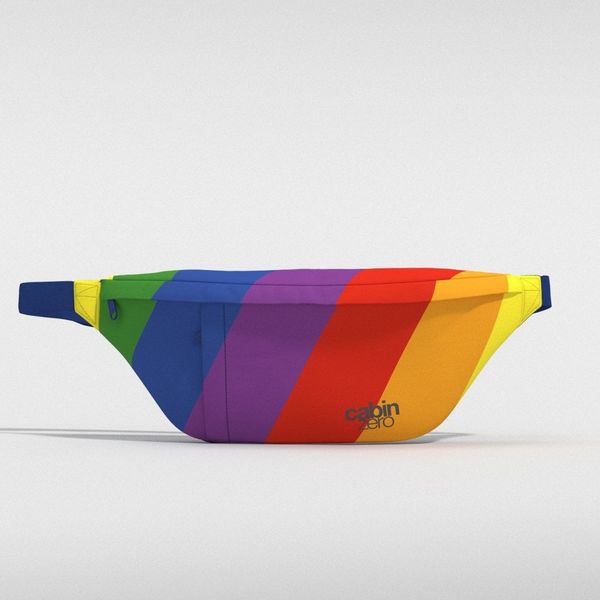
| Bum Bag 2L | A small set of daytime essentials | Your actual phone and essentials fit |
The CabinZero Classic 36L is listed at 45 × 31 × 20 cm and 700 g empty. That is a manufacturer specification, not a promise of airline acceptance. Compare every measurement with the allowance for the fare and flight you booked.
A 2L essentials bag can help separate daytime items from your main luggage. It is not a replacement for a larger daypack if you need to carry bulky layers, a large bottle or other equipment. Try your own kit before deciding to buy.
Do one final packed-bag check
Pack the full kit, then measure its widest, tallest and deepest points. Include filled pockets and anything sticking out. Weigh it with the items you will carry on the flight, not just the clothes.
Walk with the bag for a few minutes and check that you can reach the things needed during travel. Remove one or two optional items if closing it is difficult. A little empty space makes it easier to live out of the same bag for several days.
A FEW GOOD QUESTIONS
Common questions
What should I pack for a winter city break?
Start with layers, a weather-suited outer layer, comfortable walking shoes and small warm accessories. Add your usual travel essentials, then adjust for the forecast and time outside.
Can compression cubes make a winter bag airline approved?
No. They can organise clothes and may reduce soft clothing bulk, but the packed bag still has to meet the airline’s dimensions, weight and piece allowance.
Do I need a bigger backpack for winter?
Not always. Try a smaller clothes list and repeated outer layers first. Choose the bag after laying out your actual kit, and check the allowance on your flight booking.
Sources & how we prepare this guide
Manufacturer details and official guidance checked October 17, 2026. We have not tested these products. Packing suggestions should be adjusted for your plans, the forecast and local rules. Confirm the current model, specifications and delivery with the merchant.