A good camping trip starts with a dry place to sleep, enough food and water, and clothes for the forecast. Get those basics right before adding small extras. This list is for one or two nights at a campsite you can reach by car.
Start here
Check what the campsite provides, borrow or rent the big items where possible, then pack by task: sleeping, food, clothes and personal essentials. A travel backpack can hold your clothes; your full camp kit will usually need separate bags.
- Trip type
- A campsite reached by car
- Weather
- Mild conditions; check night temperatures
- First check
- Water, toilets and local campsite rules
Check the campsite before you pack
Find out whether the site has drinking water, toilets, showers, a cooking area and a place to wash dishes. Read its rules for food storage, waste, quiet hours and fires. A site with facilities needs a different kit from an empty field.
Look at the forecast for the location and the overnight low. This is a starter list for a managed campsite in mild weather. Remote trips, winter conditions and long walks need a separate plan and suitable equipment.
- Confirm your booking, arrival time and transport.
- Save the campsite contact details and an offline route.
- Check local weather alerts, access restrictions and fire rules.
- Share your plan and expected return time with someone you trust.
Pack shelter and a complete sleep kit
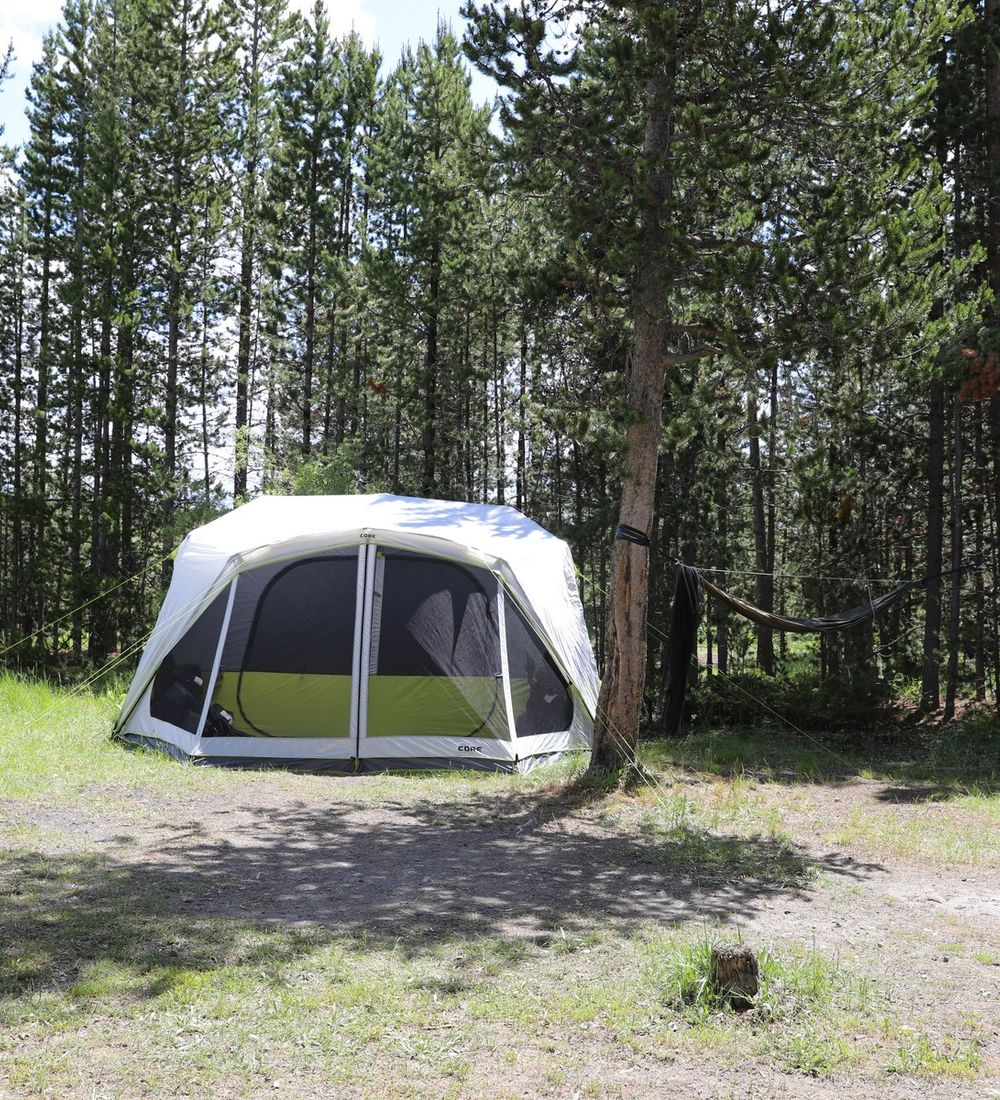
Try putting up the tent before you leave. Check that poles, pegs, guy lines and the rain cover are all present. Borrowing a complete tent is useful only if you know how it goes together.
Choose your sleeping bag and mat for the expected conditions. A mat provides insulation as well as comfort. Ask a rental provider for help matching the kit to your campsite and forecast if you are unsure.
- Tent with poles, pegs, guy lines and rain cover.
- A suitable sleeping bag or sleep system for each person.
- An insulating sleeping mat or camp bed.
- A small pillow or a soft clothes bag.
- Headlamp or torch with enough power for the trip.
Keep food and water together
Plan easy meals and bring the equipment those meals need. Check whether you can refill drinking water at the campsite; bring enough safe water if you cannot. Follow the site’s rules for storing food away from wildlife.
Use cooking equipment only in a safe, open-air place where it is allowed. Never use a fuel stove or barbecue inside a tent. Check current fire restrictions before lighting anything.
- Drinking water and refillable bottles.
- Food, snacks and a way to keep perishable food cold.
- Allowed cooking equipment, fuel and utensils, if needed.
- Plate or bowl, mug, cutlery and a can opener if your food needs one.
- Cleaning cloth, suitable washing supplies and rubbish bags.
Give clothes and personal items their own space
Pack layers you can add or remove, a rain layer, spare socks and footwear suited to the ground. Keep your sleeping clothes dry. You do not need a separate new bag for every task: pouches and bags you already own may work.
A packing cube can separate clean clothes from the rest of your kit. A compression cube may reduce soft clothing bulk, but it is not a waterproof container. Put wet items in a suitable separate bag.
- Clothes, underwear and socks for your stay.
- Warm layer, rain protection and comfortable footwear.
- Toiletries, toilet paper if the site asks for it, and a small towel.
- Your usual personal supplies, medication and a suitable first-aid kit.
- Sun protection and insect protection suited to the location.
- Phone, charging cable, charged power bank and offline booking details.
Load the car so your first hour is easy
Keep the tent, headlamp and rain layer reachable. Do not bury the items you need to set up camp beneath all the food and clothing. Keep heavy items secure during the drive.
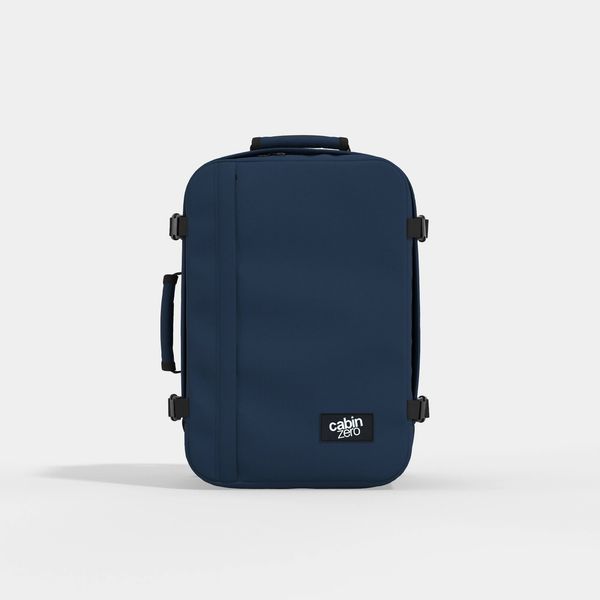
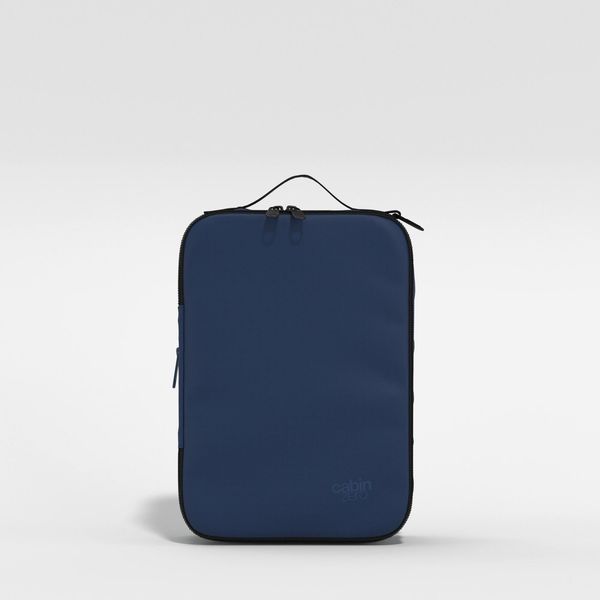
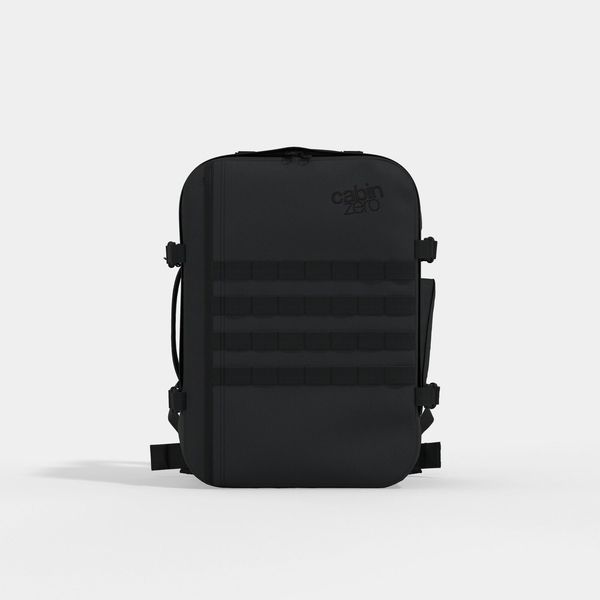
The CabinZero bags below are options for clothes and personal items. They are travel bags, and we have not tested them as trekking packs. A tent, sleep kit and cooking box should be planned separately. Buy a bag only if your current setup is missing something.
A FEW GOOD QUESTIONS
Common questions
What should a beginner bring camping?
Start with suitable shelter, a sleeping bag and mat, drinking water, food, light, weather-appropriate clothes and personal essentials. Check what the campsite supplies before choosing extras.
Can I put my whole camping kit in a CabinZero backpack?
Do not assume so. These are travel bags for clothing and personal items. A full tent, sleep and cooking setup usually needs more space; walking trips may also need a fitted trekking pack.
Do I need to buy everything new?
No. Borrow or rent the large items and use bags you already own when they work. Check that borrowed equipment is complete and suitable for the conditions.
Sources & how we prepare this guide
Manufacturer details and official guidance checked October 17, 2026. We have not tested these products. Packing suggestions should be adjusted for your plans, the forecast and local rules. Confirm the current model, specifications and delivery with the merchant.